Expert guidance that fits into your week.
A practical way to get a BCBA's help without a clinic and without a commute. We build strategies around your child and your actual routines, and I show you how to use them — so you have something that works on a Tuesday morning, not just a plan on paper.
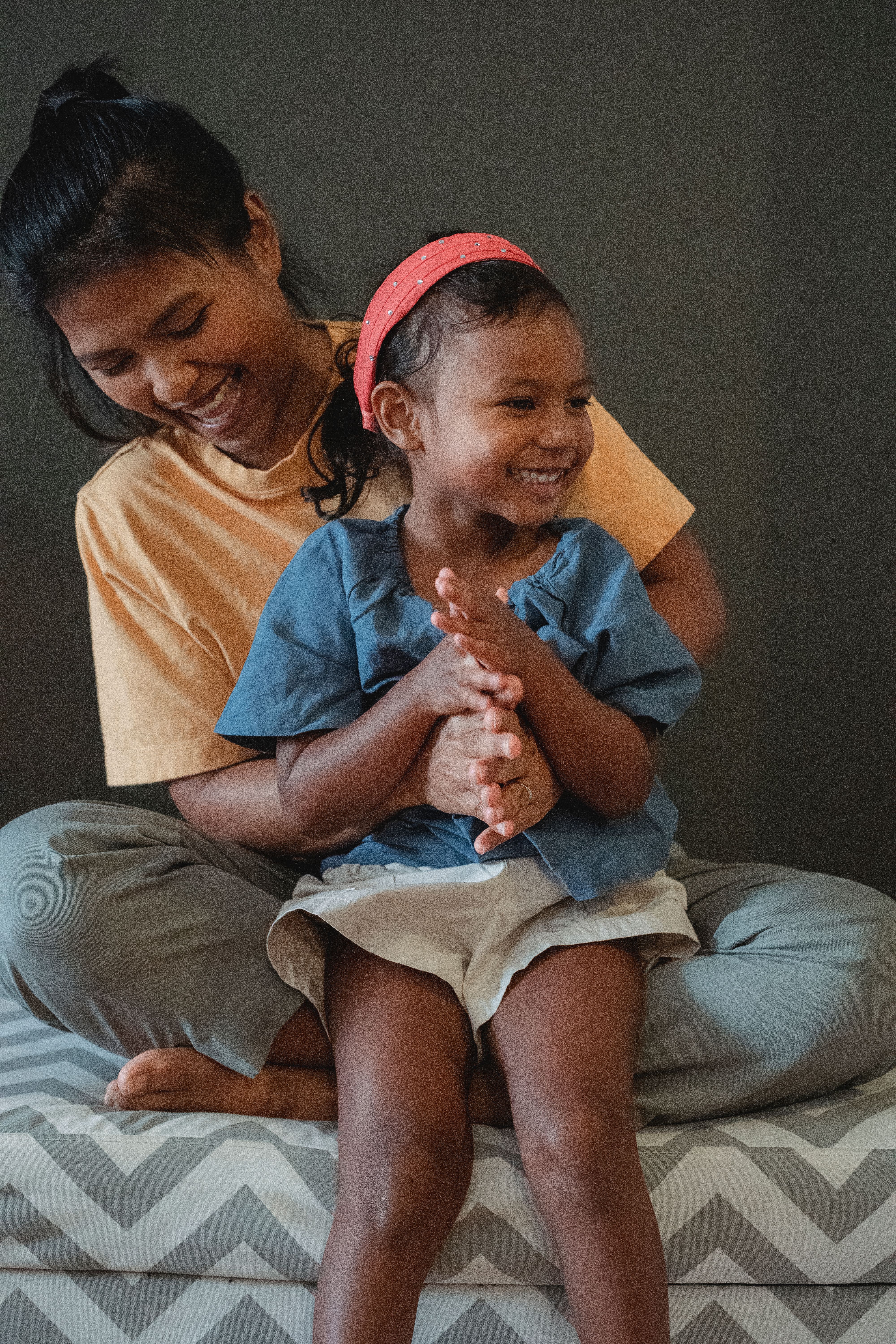
Not every family needs a clinic to get expert help.
Clinic-based therapy works well for a lot of children. But it means hours in a waiting room, a drive each way, and strategies that live somewhere other than your house. For some families that's the right trade. For others it isn't — or it isn't available yet, or it's four hours away.
Coaching is the other route. You work with the same credential that would lead your child's program at a clinic, we build strategies around your child and the routines you already have, and I walk you through using them. Your child learns best in their natural environment — so that's where we put the work, instead of hoping it transfers home from somewhere else.

The things that actually make up your day.
You set the priorities. These are the areas families bring me most often.
Communication
Starting wherever your child is — reading the nonverbal cues that come before any words, building a reliable way to be understood if there isn't one yet, and growing that into real back-and-forth.
Play & connection
Joining your child's play without taking it over, then building on it — stretching what they can do with it, and opening it up so other children can be part of it too.
Routines & everyday skills
Mealtimes, transitions, getting out the door, bedtime — plus the functional skills that grow out of them, like dressing, toileting, and doing more independently.
Whatever's on your list
A behavior you can't work out, a strategy that stopped working, a decision you're weighing. We think it through together.
Ok, so — what does this actually look like?
We start with your list, not mine
What's hard right now, what you've already tried, what you want your week to feel like.
We talk it through
Most of the time we're simply discussing what happened and why. If it helps to see it, we can watch live or you can send a clip — but you're never expected to film your child.
I show you, then you try it
I model the strategy, talk through what I'm doing and why, and coach you through it in the moment.
I do the planning between sessions
After we talk, I go work on it — analyzing what you've described or shown me, then building whatever you actually need. Visual supports, a simple data sheet to see if something's working, a written plan for a routine, materials set up and ready to use.
You end up with a system, not a pep talk
A couple of specific things to try this week, and something tangible in your hands to try them with.
Sessions run 30 or 60 minutes, virtually, so we can work around nap schedules and your actual week. Coaching is private pay — it isn't billed through insurance.
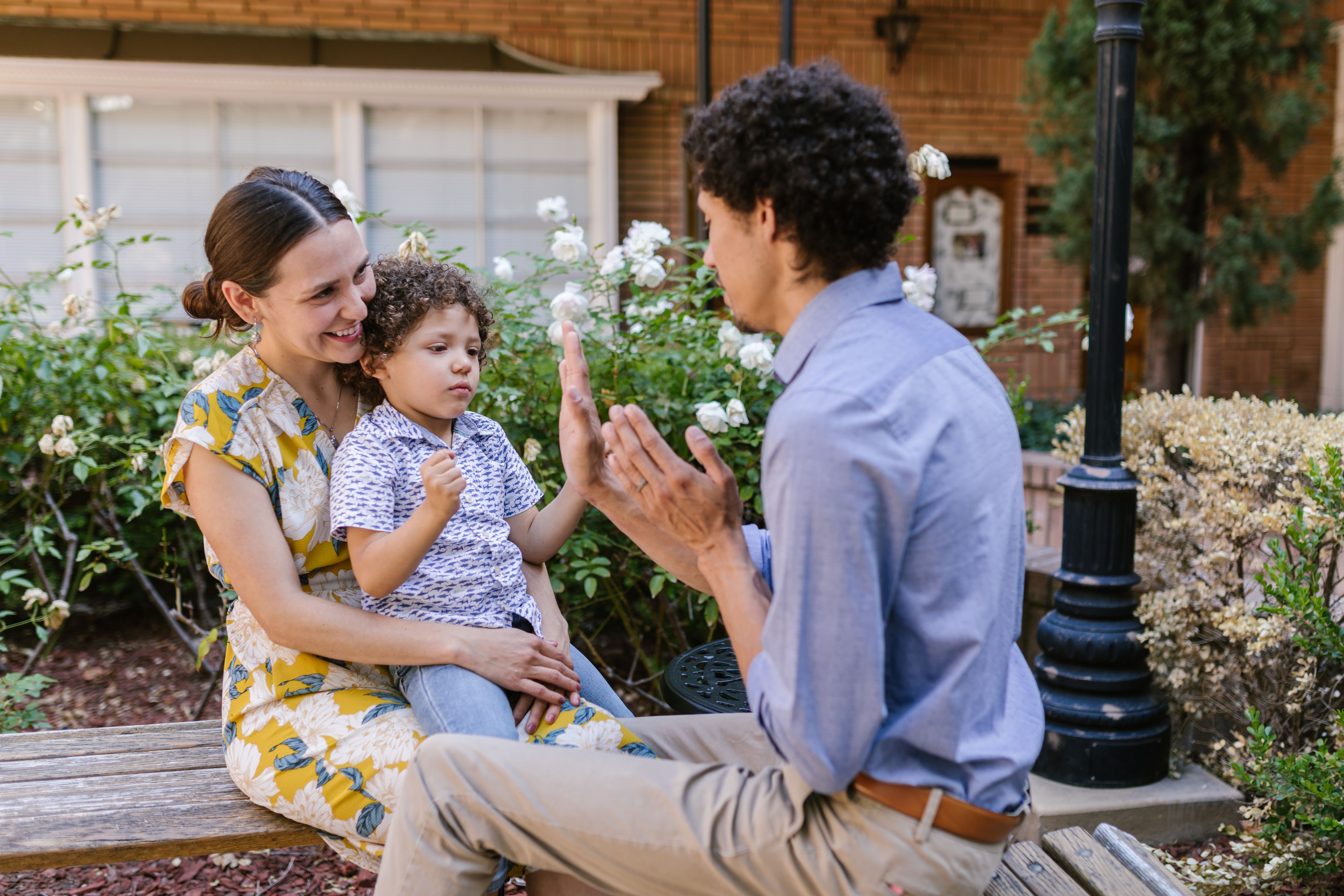

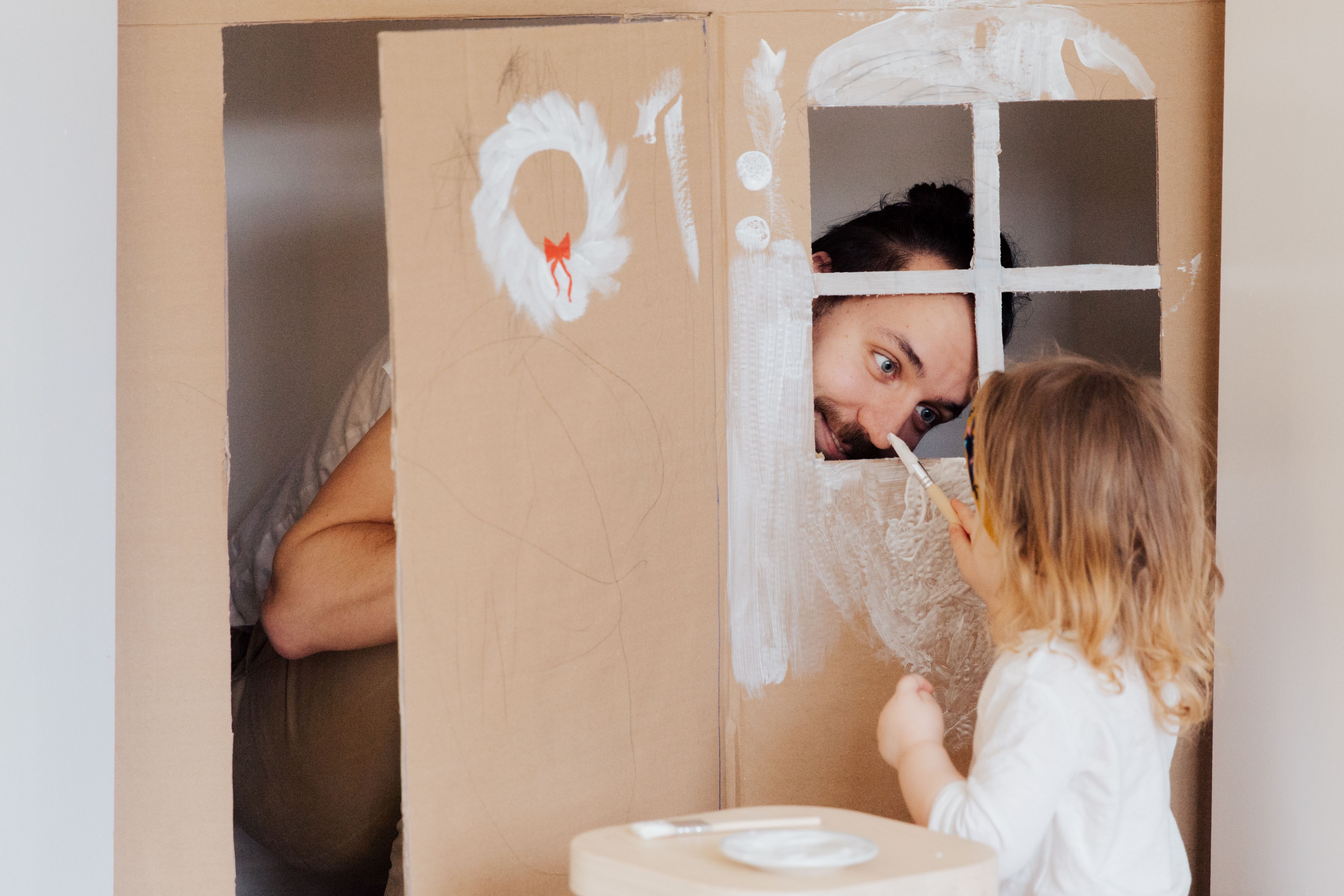
Coaching tends to fit if…
You're on a waitlist for services and don't want to lose these months waiting.
You've decided full-time clinic-based therapy isn't the right fit for your family right now.
Your child's day is covered — school, services, or both. It's dinner, bedtime, and the whole of Saturday that nobody's helped you with.
You want to understand the reasoning, not just follow a script somebody handed you.
Coaching works for families with children of any age. If what you're after is hands-on therapy in your own home rather than at a clinic, and your child is between one and five in the Austin area, take a look at 1:1 therapy — that's where I come to you and work with your child directly.
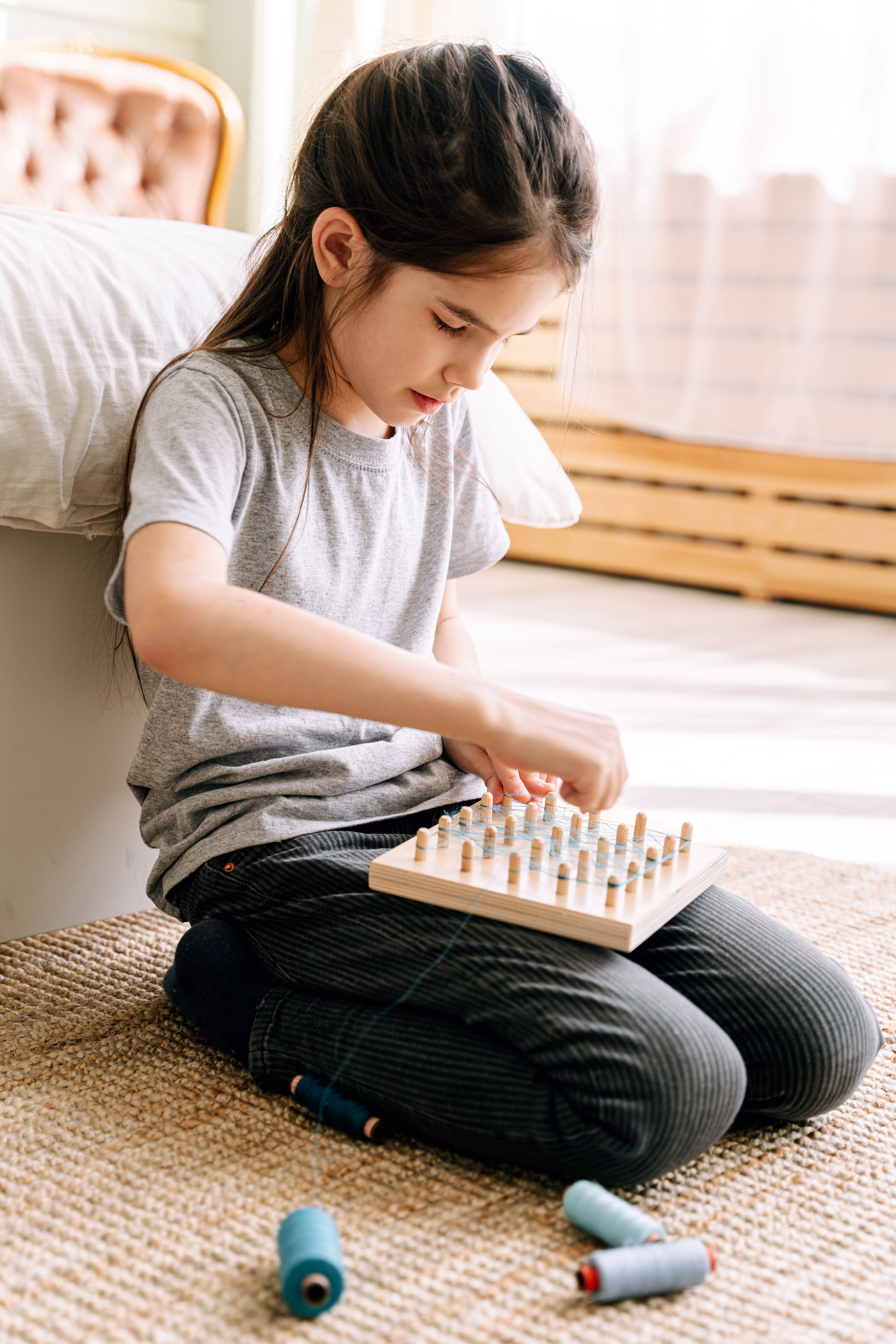
Start with the SPACE Method tip sheet.
Five steps for the moment your child pulls away from your play — Sit, Pause, Ask yourself, Calm yourself, Eyes only. Free, one page, and you can use it tonight.
Send me the tip sheetA few things parents ask
Do I need a diagnosis for my child?
No. I work with families whose children are diagnosed, waiting on an evaluation, or not being evaluated at all. Coaching is about what's happening in your home, not about a label.
Does my child need to be there?
Sometimes, and sometimes not. Watching a real interaction is useful, so we'll often have your child nearby or work from a clip you've recorded. But plenty of good sessions are just the two of us talking things through.
How is this different from the therapy my child already gets?
In coaching, you're the one working with your child. I'm supporting you rather than replacing what anyone else is doing. Many families use coaching alongside existing services to make the hours in between count.
How many sessions will I need?
That depends on what you're working on. Some families come for a handful of sessions around one specific challenge; others check in regularly over a longer stretch. We'll talk about what makes sense for you rather than starting from a fixed package.
Can I do this if I'm not in Texas?
Yes. Coaching is virtual, so location isn't a barrier. (1:1 therapy is different — that's in person, in the Austin area.)
Is this ABA?
I'm a BCBA, and the science behind what I teach is behavior analysis paired with child development. But if what you picture is drills at a table and rewards for compliance, that isn't what happens here. We follow your child's lead, and their comfort and consent matter throughout.
Want to know if coaching is a fit? Just ask.
Tell me a little about your child and what's hard right now. I'll write back with an honest answer about whether I'm the right person to help.
Contact Me